






OEM Anti-Aging Serum Architecture: Formulation Design Principles

Understanding Anti-Aging Serum Architecture
Anti-aging serums represent the most technically demanding category in OEM skincare manufacturing. These concentrated formulations deliver active ingredients at optimal concentrations to target specific aging mechanisms including collagen degradation, oxidative stress, cellular senescence, and barrier dysfunction. Successful anti-aging serum development requires deep understanding of ingredient interactions, delivery systems, and stability science.
Core Anti-Aging Mechanisms and Target Ingredients
Collagen Synthesis Stimulation
- Peptides: Matrixyl 3000 (Palmitoyl Tripeptide-1, Tetrapeptide-7) at 2-5%
- Vitamin C: 3-O-Ethyl Ascorbic Acid at 2-5% for procollagen synthesis
- Retinoids: Encapsulated Retinol at 0.1-0.5% for fibroblast stimulation
- Copper Peptides: GHK-Cu at 0.5-1.0% for comprehensive collagen support
Antioxidant Defense
- Vitamin C: 2-20% depending on form and stability
- Vitamin E: Tocopherol at 1-5% for lipid protection
- Ferulic Acid: 0.5% as stabilizer and antioxidant synergist
- Resveratrol: 0.5-1.0% for sirtuin activation
- Ergothioneine: 0.5-1.0% for mitochondrial protection
Barrier Reinforcement
- Ceramides: 0.3-0.5% ceramide complex blend
- Niacinamide: 3-5% for lipid synthesis support
- Fatty Acids: Linoleic acid, Linolenic acid for barrier lipids
- Cholesterol: 0.1-0.3% for membrane structure
Serum Architecture Design Principles
Delivery System Selection
The delivery system fundamentally impacts serum performance:
- Aqueous Serums: Water-based, lightweight, ideal for hydrating actives
- Emulsion Serums: Oil-in-water emulsions for lipid-soluble ingredients
- Suspension Serums: Multi-phase systems for incompatible actives
- Encapsulated Systems: Liposomes, cyclodextrins for enhanced penetration
Formulation Prioritization Matrix
Balance efficacy with stability and consumer experience:
- Efficacy First: Active concentration determines minimum effective level
- Stability Constraints: Incompatible actives require separation
- Sensory Requirements: Concentration impacts texture and feel
- Preservation Challenges: High active loads may stress preservation
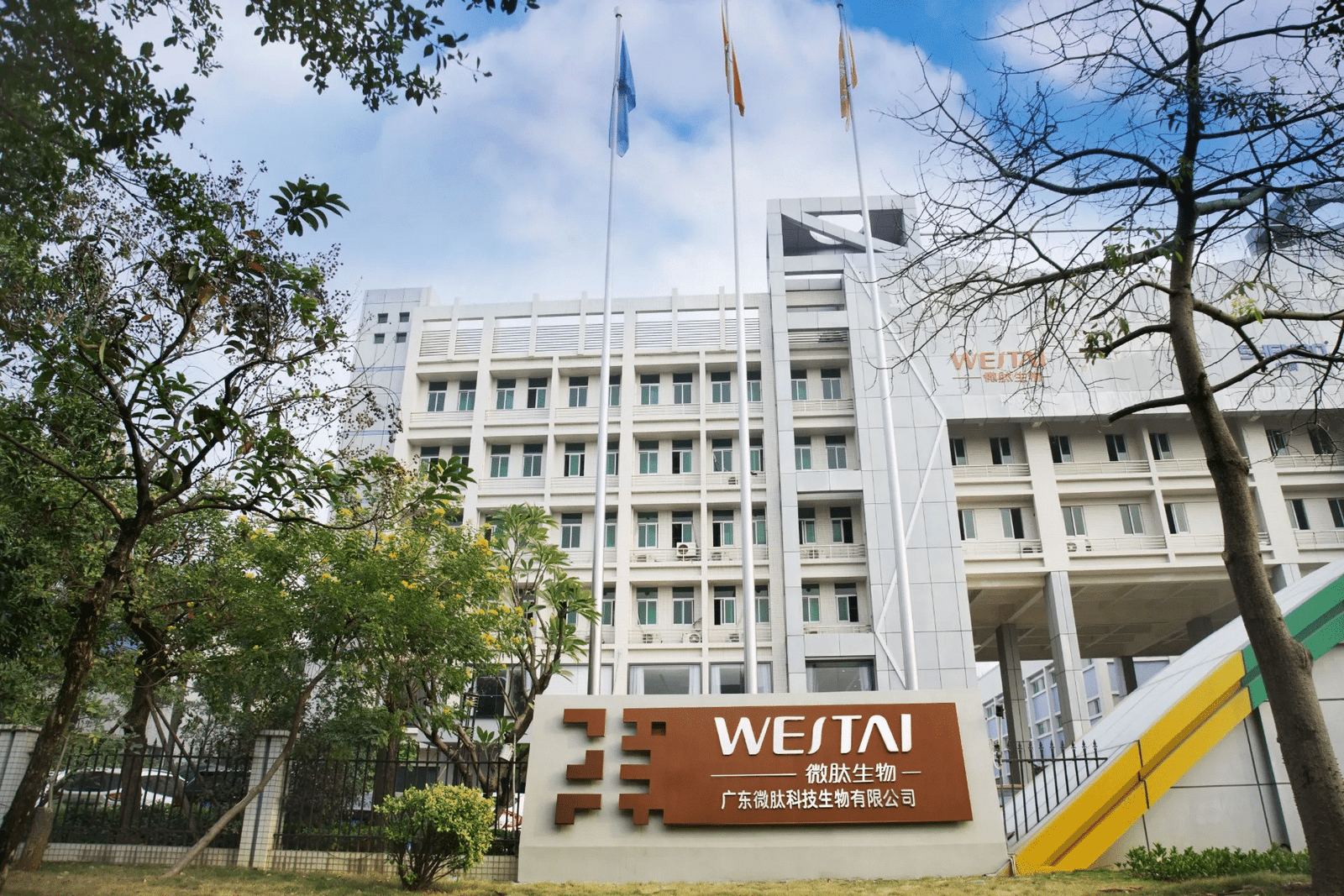
OEM Manufacturing Excellence at Weitai Biotechnology
Weitai offers comprehensive anti-aging serum capabilities:
- State-of-the-Art Facilities: 80,000m2 GMP production across 6 bases
- Advanced Emulsion Technology: Nanoemulsion and liposomal delivery systems
- Temperature-Controlled Manufacturing: Cold-chain processing for sensitive actives
- Validated Stability: 24-month accelerated stability protocols
- Regulatory Expertise: Full compliance documentation for global markets
- R&D Support: In-house formulation development and optimization
Strategic Considerations for Brand Owners
Positioning Strategies
- Single-Active Hero: One clinically proven ingredient at optimal concentration
- Multi-Active Complex: Multiple actives addressing multiple mechanisms
- Ingredient-First: Lead with well-recognized ingredients (Vitamin C, Retinol)
- Science-First: Novel delivery systems or proprietary complexes
Cost-Effectiveness Optimization
- Active Concentration: Minimum effective concentration vs marketing concentration
- Ingredient Quality: Purity and bioavailability impact cost-efficacy
- Manufacturing Efficiency: Batch size and production complexity
- Packaging Requirements: Airless systems increase cost but improve stability
Frequently Asked Questions
How do you ensure stability when combining multiple anti-aging actives?
Stability requires careful ingredient selection, pH optimization, encapsulation technology, and appropriate packaging. We evaluate all ingredient combinations through accelerated stability testing (40C/75% RH for 3 months) to validate shelf life. When actives are incompatible, we recommend separate chamber packaging or alternate day formulations.
What is the optimal pH range for anti-aging serums?
Optimal pH depends on active ingredients. Vitamin C requires pH 2.5-3.5 for absorption but may cause irritation. Peptides prefer pH 5.0-7.0. Retinols work best at pH 5.0-6.0. We optimize pH for the primary active while maintaining acceptable sensory properties and skin compatibility.
How do you address the trade-off between concentration and skin tolerance?
We recommend starting at clinically validated minimum effective concentrations and building tolerance through graduated introduction. For sensitive skin positioning, consider encapsulated or time-release formats that deliver actives gradually. Build consumer education into brand strategy to manage expectations.
What packaging considerations apply to anti-aging serums?
Key considerations include light protection (amber or opaque packaging), air exclusion (airless pumps), and material compatibility. Actives like Vitamin C and Retinol require airless or single-dose packaging. We offer comprehensive packaging consultation as part of our OEM service.
Conclusion
Anti-aging serum development requires balancing scientific rigor with market appeal. Weitai combines advanced formulation expertise with manufacturing excellence to deliver differentiated products that meet both regulatory requirements and consumer expectations.
Contact Weitai Biotechnology for OEM samples and formulation support

