




Top 10 Mistakes When Working with OEM Cosmetics Factories

Learning from Industry Experience
Working with overseas OEM manufacturers can be highly rewarding when done correctly. Based on extensive industry experience, here are the most common mistakes brands make and how to avoid them.
Mistake 1: Selecting a Manufacturer Based on Price Alone
The lowest quote is rarely the best deal. Manufacturers quoting 30-50% below market rates often use lower-grade materials, skip essential quality steps, or include hidden costs.
Solution: Evaluate manufacturers holistically. Quality, communication, certifications, and reliability matter far more than the initial quote.
Mistake 2: Skipping Sample Testing
A beautiful sample does not guarantee consistent bulk production. First samples are often handcrafted by senior technicians who cannot replicate the process at scale.
Solution: Test 3-5 production samples over time. Conduct small pilot batches before committing to full production runs.
Mistake 3: Unclear Product Specifications
Making vague requests like “make a good anti-aging cream” leads to products that miss your vision entirely.
Solution: Develop detailed product specifications covering active ingredients, concentrations, textures, target skin types, and performance criteria before approaching manufacturers.
Mistake 4: Ignoring Regulatory Differences Between Markets
Ingredients that are legal in one market may be restricted or banned in another.
Solution: Define your target markets before product development begins and specify regulatory requirements in your brief.
Mistake 5: Underestimating Lead Times
Rushed timelines compromise quality and inevitably increase costs through express fees and production errors.
Solution: Plan realistic timelines. Total development to delivery typically requires 3-6 months minimum.
Mistake 6: Poor Communication Practices
Time zone differences and language barriers create misinterpretations that compound over time.
Solution: Use written contracts with detailed specifications. Confirm key requirements verbally during video calls. Maintain written records of all agreements.
Mistake 7: Neglecting Packaging Quality
Packaging affects product stability, shelf appeal, user experience, and brand perception. Poor packaging can undermine an otherwise excellent product.
Mistake 8: Failing to Negotiate IP Protection
Without explicit contractual agreements, manufacturers may share your proprietary formulations with other clients.
Solution: Always sign NDAs and include explicit IP ownership clauses in manufacturing agreements.
Mistake 9: Not Requiring Batch Traceability
Without traceability systems, investigating quality issues becomes nearly impossible, and your brand bears all reputational risk.
Mistake 10: Skipping the Factory Audit
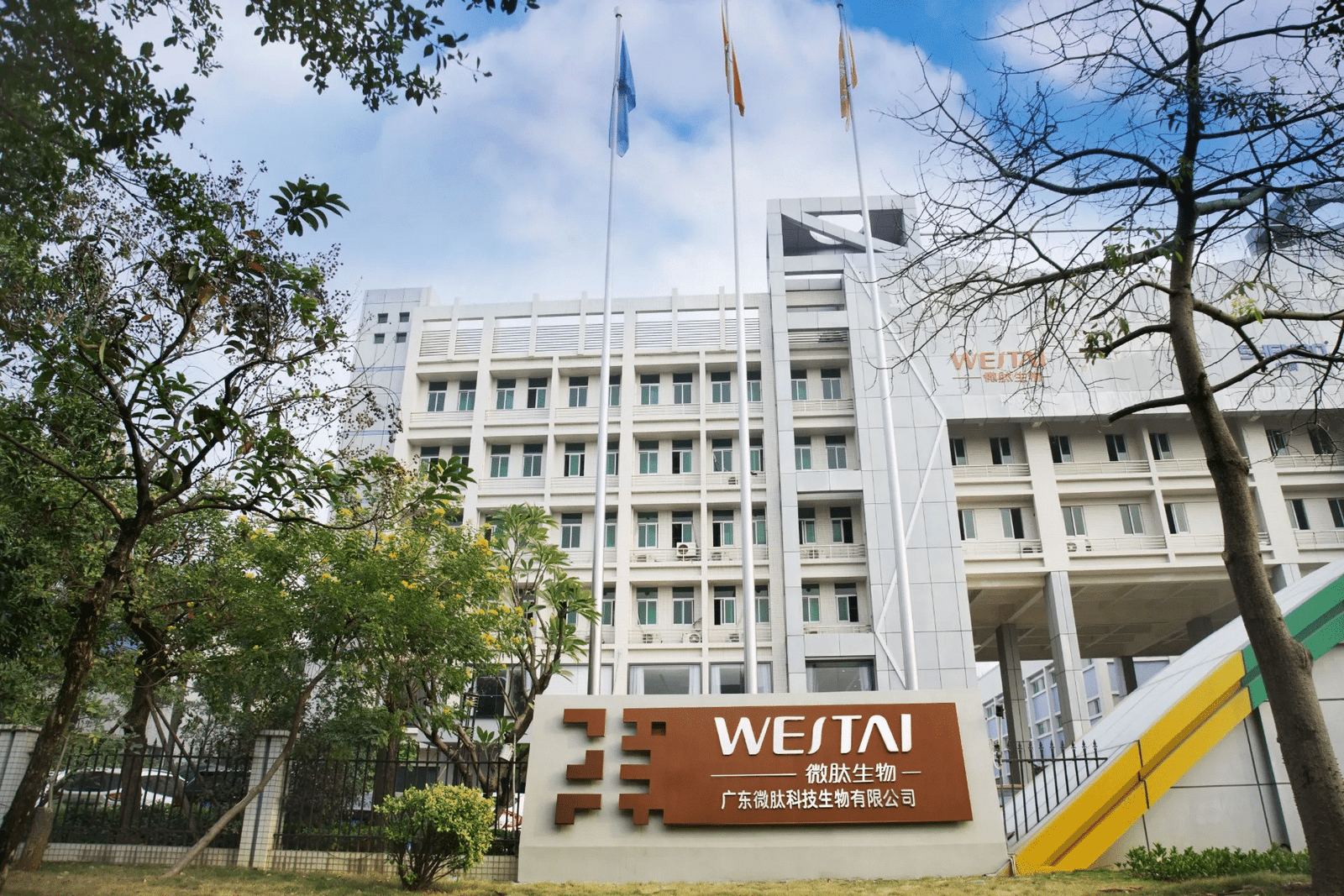
Photos and videos can be misleading or outdated. Nothing replaces seeing the actual production facility.
Solution: Conduct or hire a third-party company to conduct a comprehensive facility audit before committing to a manufacturing partnership.
FAQ
How can I verify factory quality without visiting in person?
Hire a reputable third-party inspection company such as QIMA, Bureau Veritas, or SGS to conduct a comprehensive facility audit and ongoing production inspections.

