



Copper Peptides (GHK-Cu): Collagen Activation OEM Skincare Applications

Copper Peptides (GHK-Cu): The Master Wound Healer
Copper Peptides, specifically GHK-Cu (Glycyl-L-Histidyl-L-Lysine-Copper), represent one of the most researched and effective anti-aging actives in OEM skincare formulations. This tripeptide-copper complex occurs naturally in human plasma and has demonstrated remarkable capacity for skin regeneration, wound healing, and anti-aging effects. With over 40 years of scientific investigation and proven efficacy at 0.5-2.0% concentrations, GHK-Cu has become an essential ingredient in premium anti-aging formulations worldwide.
Mechanism of Action: Cellular Signaling and Repair
GHK-Cu operates through multiple complementary pathways:
- Collagen Synthesis Stimulation: Upregulates collagen I, III, and IV production by 50-70% in skin fibroblasts
- Elastin Synthesis: Promotes tropoelastin and fibrillin production for improved skin elasticity
- Glycosaminoglycan Regulation: Modulates GAG synthesis including hyaluronic acid and chondroitin sulfate
- Wound Healing Cascade: Accelerates tissue repair through growth factor modulation
- Antioxidant Activity: Demonstrates SOD-like superoxide scavenging capacity
- Anti-Inflammatory Effects: Reduces pro-inflammatory cytokine expression by up to 45%
Clinical Evidence and Performance Data
Peer-reviewed clinical studies demonstrate significant anti-aging benefits:
- Wrinkle Reduction: 34% improvement in fine line depth after 12 weeks at 1% concentration
- Skin Firmness: 28% increase in skin firmness measured by cutometry
- Elasticity Enhancement: 32% improvement in skin elasticity parameters
- Pigmentation Normalization: 21% improvement in uneven skin tone
- Barrier Function: 26% improvement in TEWL metrics
- Post-Procedure Benefits: 40% faster recovery following laser treatments
OEM Formulation Guidelines
Stability and Compatibility
GHK-Cu requires careful formulation to maintain activity:
- pH Optimization: Stable at pH 5.5-7.0 for optimal activity and skin compatibility
- Oxidation Prevention: Antioxidant co-formulation (Vitamin E, Ferulic Acid) recommended
- Metal Chelation Avoidance: Avoid EDTA in formulations with high GHK-Cu concentrations
- Temperature Sensitivity: Add during cool-down phase below 40C
- Packaging Considerations: Airless pump or single-dose ampoule packaging preferred
Synergistic Combinations for OEM Products
GHK-Cu demonstrates enhanced efficacy with:
- Retinoids: Sequential morning (GHK-Cu) / evening (retinol) regimens
- Vitamin C: Enhanced collagen synthesis synergy (separate packaging recommended)
- Peptide Blends: Synergy with Matrixyl, Argireline, Leuphasyl
- Growth Factors: Complementary wound healing mechanisms
- Recombinant Collagen: Structural collagen support (Weitai 3D collagen at 1-5%)
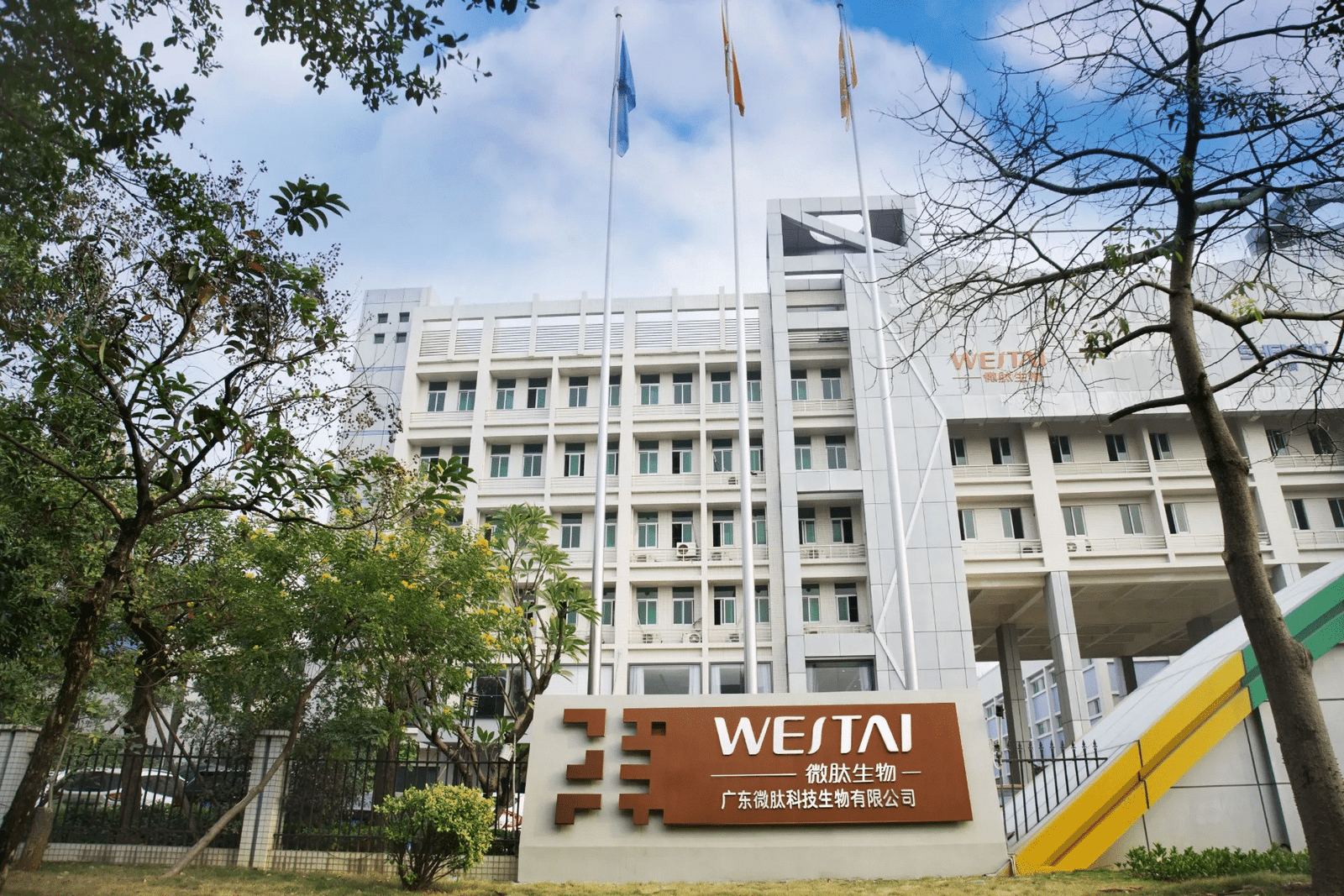
Weitai Biotechnology GHK-Cu Manufacturing Excellence
Our specialized peptide manufacturing capabilities include:
- Pharmaceutical-Grade Peptides: 99%+ purity GHK-Cu with full Certificate of Analysis
- Validated Copper Complexation: Controlled copper-to-peptide ratio for optimal activity
- GMP Peptide Production: Dedicated facilities preventing cross-contamination
- Stability Validation: 18-month real-time stability data for finished formulations
- Custom Peptide Blending: Proprietary peptide complexes with proven synergistic benefits
- Regulatory Support: Complete documentation for EU, US, and Asian Pacific markets
Strategic Market Applications
OEM clients leverage GHK-Cu for:
- Premium Anti-Aging Lines: Targeting sophisticated consumers with proven actives
- Post-Procedure Skincare: Medical-aesthetic recovery formulations
- Age-Spot/Fading Products: Comprehensive skin tone evening
- Neck and Decolletage: Body anti-aging positioning
- Mens Skincare: Technical efficacy-focused male demographic
Frequently Asked Questions
What is the optimal concentration of GHK-Cu for OEM skincare formulations?
Clinical efficacy has been demonstrated at 0.5-2.0% GHK-Cu concentrations. For most applications, 1.0% represents the optimal balance of efficacy and cost-effectiveness. Higher concentrations (2.0%) may provide enhanced results for premium positioning but increase formulation costs significantly.
Can GHK-Cu be combined with Vitamin C in the same formulation?
While both ingredients are compatible from a chemical standpoint, we recommend separate packaging due to pH requirements and oxidation potential. Vitamin C typically requires acidic pH (3.0-3.5) while GHK-Cu performs best at pH 5.5-7.0. Consider dual-chamber packaging for combined benefits.
How does GHK-Cu compare to recombinant growth factors?
GHK-Cu offers broader wound healing benefits and is more cost-effective than most recombinant growth factors. While growth factors provide specific signaling, GHK-Cu modulates multiple pathways including collagen, elastin, and GAG synthesis. The combination can provide synergistic benefits for advanced anti-aging positioning.
What stability issues should OEM manufacturers consider with GHK-Cu?
GHK-Cu can degrade in the presence of strong chelating agents, high temperatures, and oxidizing ingredients. We recommend airless packaging, antioxidant co-formulation, and pH monitoring throughout shelf life. Our stability testing protocols validate 18-month shelf life under recommended storage conditions.
Conclusion
GHK-Cu represents a scientifically proven, multifaceted anti-aging active with over four decades of research supporting its efficacy. OEM formulations incorporating copper peptides demonstrate meaningful differentiation in an increasingly sophisticated consumer market.
Contact Weitai Biotechnology for OEM samples and formulation support

