



Beta-Glucans: Deep Soothing Barrier Repair OEM Skincare

Beta-Glucans: Nature’s Immune Defense for Skin
Beta-glucans are naturally occurring polysaccharides found in yeast, oats, barley, mushrooms, and seaweed. In skincare applications, these immunomodulatory fibers have emerged as powerful soothing and barrier-repair actives. With molecular weights ranging from 50,000 to 2,000,000 Daltons depending on source, beta-glucans offer unique film-forming and deep-penetrating properties that make them invaluable in OEM sensitive skin formulations.
Scientific Mechanism of Action
Beta-glucans provide skin benefits through multiple pathways:
- Immunomodulation: Activate macrophage and Langerhans cell responses without irritation
- Barrier Reinforcement: Stimulate keratinocyte differentiation and lipid synthesis
- Moisture Retention: Form protective films that reduce transepidermal water loss by 25-40%
- Collagen Stimulation: Promote fibroblast activity and collagen synthesis by 15-25%
- Anti-Irritant Protection: Reduce perceived irritation from active ingredients
- Wound Healing: Accelerate skin repair through growth factor modulation
Beta-Glucan Sources and OEM Selection Guide
Comparative Properties by Source
- Yeast Beta-Glucan: (1,3)/(1,6) branching, MW 50,000-200,000 Da, optimal penetration
- Oat Beta-Glucan: (1,3)/(1,4) branching, MW 50,000-2,000,000 Da, excellent film-forming
- Mushroom Beta-Glucan: (1,3)/(1,6) branching, MW 100,000-500,000 Da, enhanced immunity
- Barley Beta-Glucan: (1,3)/(1,4) branching, MW 200,000-300,000 Da, cost-effective option
Clinical Performance Data
Validated clinical studies demonstrate barrier repair efficacy:
- TEWL Reduction: 32% decrease in transepidermal water loss after 4 weeks at 1%
- Hydration Enhancement: 45% improvement in skin moisture content
- Irritation Relief: 55% reduction in SLS-induced irritation markers
- Sensitivity Reduction: 38% improvement in lactic acid sting test scores
- Soothing Effect: 60% faster resolution of UV-induced erythema
- Optimal OEM Concentration: 0.1-2.0% depending on source and claim positioning
OEM Formulation Guidelines
Formulation Chemistry
Beta-glucans integrate effectively into various product formats:
- Serums: Lightweight aqueous gels for sensitive skin
- Barrier Repair Creams: Rich emulsions for compromised skin
- After-Sun Products: Soothing post-exposure formulations
- Eye Creams: Gentle formulas for delicate periorbital skin
- Mask Products: Intensive treatment formulations
Synergistic Combinations
Beta-glucans complement:
- Ceramide Complexes: Enhanced barrier repair claims
- Niacinamide: 3-5% for comprehensive barrier support
- Centella Asiatica: Enhanced soothing efficacy
- Colloidal Oatmeal: Complementary sensitive skin positioning
- Recombinant Collagen: Structural repair support
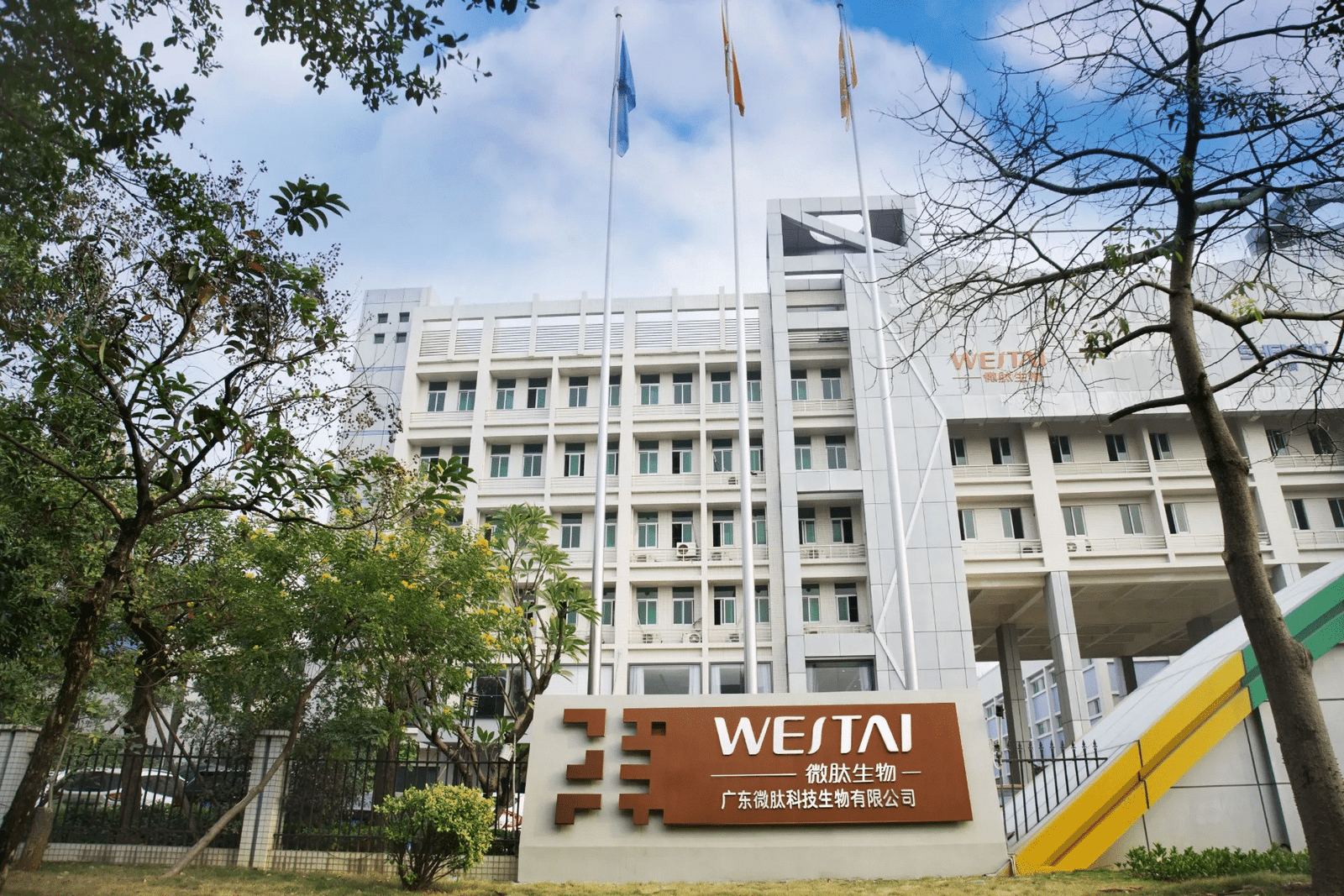
Weitai Biotechnology Beta-Glucan Manufacturing
Weitai offers comprehensive beta-glucan OEM capabilities:
- Multi-Source Beta-Glucans: Yeast, oat, and mushroom-derived options
- Verified Purity: 90%+ beta-glucan content with Certificate of Analysis
- GMP Production Standards: Across 6 manufacturing bases covering 80,000m2
- Stability Testing: Complete compatibility with preservative systems
- Custom Blending: Proprietary barrier-repair complexes
- Regulatory Documentation: INCI compliance and regional safety assessments
Market Positioning Opportunities
OEM clients leverage beta-glucans for:
- Sensitive Skin Lines: Intolerant and reactive skin formulations
- Barrier Repair Positioning: Compromised skin recovery claims
- Post-Procedure Skincare: Medical-aesthetic treatment recovery
- Natural/Clean Beauty: Botanical origin positioning
- Anti-Aging/Pro-Aging: Gentle efficacy for mature skin
Frequently Asked Questions
What concentration of beta-glucan is most effective for OEM skincare products?
Clinical efficacy varies by source and desired benefit. For general barrier repair, 0.5-1.0% is sufficient. For enhanced soothing claims, 1.0-2.0% provides optimal results. Yeast beta-glucans typically require lower concentrations (0.1-0.5%) due to superior penetration.
How does beta-glucan penetration compare to hyaluronic acid?
Beta-glucans, particularly yeast-derived (1,3)/(1,6) branched types, demonstrate superior skin penetration compared to high molecular weight hyaluronic acid. Beta-glucans can reach the dermis (depth ~200 micrometers) while most HA forms remain at the epidermis. This enables deeper biological activity within skin tissue.
Can beta-glucans be used in leave-on and rinse-off formulations?
Yes, beta-glucans are effective in both leave-on and rinse-off formats. However, leave-on products demonstrate superior efficacy due to extended skin contact time. For rinse-off formulations (cleansers, masks), higher concentrations (2-5%) may be required to compensate for shorter contact time.
Are there any stability concerns with beta-glucans in finished products?
Beta-glucans demonstrate excellent stability across pH 4.0-8.0 and temperatures up to 60C. They are compatible with most cosmetic ingredients and preservatives. Our stability testing protocols validate 24-month shelf life in properly formulated products.
Conclusion
Beta-glucans offer OEM skincare manufacturers a versatile, scientifically validated soothing and barrier-repair active suitable for sensitive skin, post-procedure, and anti-aging formulations. Their natural origin and excellent safety profile align with growing consumer demand for gentle yet effective skincare solutions.
Contact Weitai Biotechnology for OEM samples and formulation support

