




Coenzyme Q10 and Idebenone: Antioxidant Energy Synergy for OEM Anti-Aging

Coenzyme Q10 and Idebenone: Mitochondrial Antioxidants for Skin Longevity
Coenzyme Q10 (CoQ10) and Idebenone represent the pinnacle of mitochondrial-targeted antioxidants in skincare. Both compounds support cellular energy production while providing comprehensive free radical protection. With proven efficacy at 0.05-2.0% concentrations, these mitochondrial antioxidants have become essential components in premium OEM anti-aging formulations targeting cellular health and skin vitality.
Coenzyme Q10: The Cellular Energy Cofactor
CoQ10 (Ubiquinone) is a naturally occurring compound essential for mitochondrial ATP production:
- Electron Transport Chain: Critical cofactor for ATP synthesis in cellular mitochondria
- Lipid Antioxidant: Protects cell membranes from oxidative damage
- Vitamin E Regeneration: Regenerates oxidized Vitamin E, extending antioxidant capacity
- Skin Energy Support: Enhances fibroblast energy for collagen synthesis
- Clinical Concentration: 0.05-2.0% for optimal efficacy
Idebenone: The Synthetic Powerhouse
Idebenone is a synthetic analog of CoQ10 with enhanced bioavailability:
- Superior Bioavailability: 10x higher cellular absorption than CoQ10
- Mitochondrial Targeting: Direct support for cellular energy production
- Broad-Spectrum Protection: Effective against multiple free radical types
- DNA Protection: Prevents oxidative damage to nuclear and mitochondrial DNA
- Clinical Concentration: 0.05-1.0% for optimal efficacy
Clinical Performance Data
Validated clinical studies demonstrate anti-aging benefits:
- CoQ10 – Wrinkle Reduction: 27% improvement in periorbital wrinkles after 12 weeks
- CoQ10 – Skin Firmness: 23% increase in skin elasticity
- Idebenone – Photoaging Repair: 33% improvement in photoaging scores
- Idebenone – Hydration: 31% improvement in skin moisture content
- Combined Antioxidant Protection: 55% reduction in free radical damage markers
- TEWL Improvement: 19% reduction in transepidermal water loss
OEM Formulation Guidelines
Stability and Compatibility
Mitochondrial antioxidants require careful formulation:
- Oxidation Protection: Antioxidant co-formulation essential (Vitamin E, Ferulic Acid)
- pH Optimization: Stable at pH 5.5-7.5
- Temperature Sensitivity: Add below 40C during manufacturing
- Packaging Requirements: Airless or dark glass packaging to prevent oxidation
- Encapsulation Options: Liposomal delivery for enhanced stability
Synergistic Combinations
Mitochondrial antioxidants work best with:
- Vitamin E Derivatives: Tocopherol, Tocopheryl acetate for synergistic protection
- Ferulic Acid: 0.5% for enhanced antioxidant efficacy
- Peptide Complexes: Mitochondrial targeting peptides
- Recombinant Collagen: 1-3% for structural support
- Niacinamide: 3-5% for cellular energy support
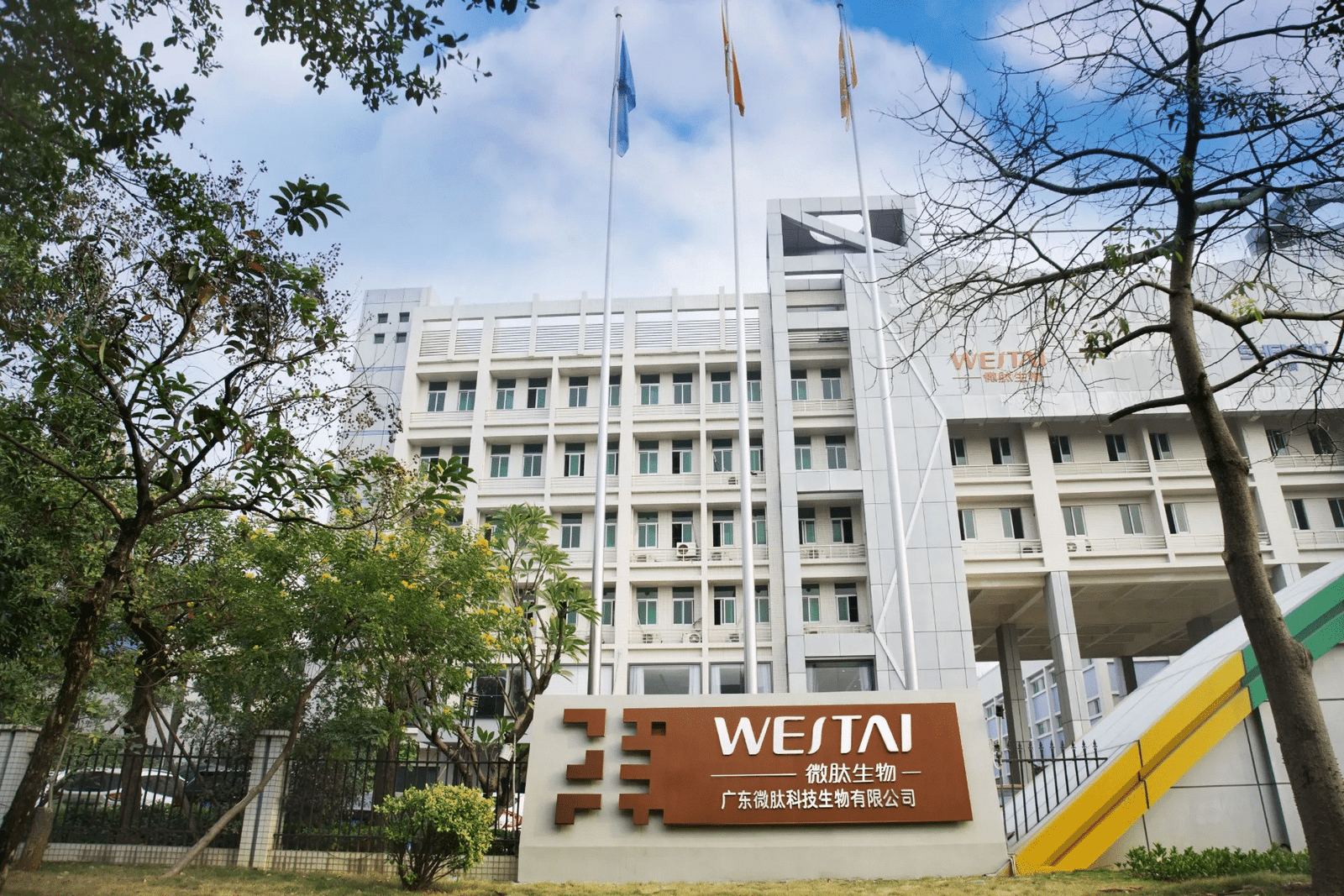
Weitai Biotechnology Antioxidant Manufacturing
Weitai offers specialized mitochondrial antioxidant OEM capabilities:
- Pharmaceutical-Grade Actives: CoQ10 (99%+ purity) and Idebenone
- Proprietary Antioxidant Complexes: Synergistic blends with validated efficacy
- Encapsulation Technology: Liposomal delivery systems for enhanced stability
- GMP Production Standards: Across 6 manufacturing bases
- Stability Validation: 24-month accelerated stability data
- Regulatory Support: Complete documentation for global compliance
Market Positioning Opportunities
OEM clients leverage mitochondrial antioxidants for:
- Premium Anti-Aging: Longevity-focused scientific positioning
- Energy/Vitality Claims: Skin energy and radiance messaging
- Environmental Protection: Pollution defense and antioxidant defense claims
- Medical-Aesthetic Adjunct: Post-procedure recovery formulations
- Mens Skincare: Technical efficacy-focused positioning
Frequently Asked Questions
Should I use CoQ10 or Idebenone in OEM formulations?
Both provide excellent antioxidant protection with distinct advantages. CoQ10 offers broader consumer recognition and additional cellular energy support. Idebenone provides 10x higher bioavailability and superior photoaging repair. For premium positioning, consider combining both at reduced individual concentrations for synergistic benefits.
What concentration of CoQ10 or Idebenone is most effective?
CoQ10 demonstrates optimal efficacy at 0.5-2.0% concentration. Idebenone is effective at lower concentrations (0.05-1.0%) due to superior bioavailability. For most OEM applications, we recommend 0.5-1.0% CoQ10 or 0.1-0.5% Idebenone for optimal cost-efficacy balance.
How do mitochondrial antioxidants compare to Vitamin C?
Vitamin C provides excellent water-soluble antioxidant protection, while CoQ10 and Idebenone specifically target lipid membranes and mitochondria. The combination provides comprehensive antioxidant protection that neither can achieve alone. We recommend including both mitochondrial antioxidants and Vitamin C in premium anti-aging formulations.
What stability challenges exist with CoQ10 and Idebenone?
Both compounds are susceptible to oxidation, particularly CoQ10 which converts to ubiquinol. Mitigation strategies include antioxidant co-formulation (Vitamin E, Ferulic Acid), airless or dark packaging, and potential encapsulation. Our stability protocols validate 24-month shelf life with proper formulation and packaging.
Conclusion
Mitochondrial antioxidants represent the scientific frontier of skincare antioxidant technology. OEM formulations incorporating CoQ10 and Idebenone offer premium positioning opportunities for brands targeting sophisticated, science-aware consumers seeking meaningful anti-aging solutions.
Contact Weitai Biotechnology for OEM samples and formulation support

