






Type III Collagen in Skincare: The Anti-Aging Ingredient OEM Brands Need to Know


What Is Type III Collagen?
Type III collagen is one of the most important structural proteins in human skin, working alongside Type I collagen to maintain firmness, elasticity, and youthful appearance. As the body ages, Type III collagen production declines significantly beginning in the mid-20s, contributing to fine lines, skin laxity, and reduced skin quality.
For OEM/ODM skincare brands developing next-generation anti-aging products, Type III collagen represents one of the most compelling ingredient opportunities in the current market. Recombinant human Type III collagen (rhCol3) can be manufactured through advanced biotechnology and incorporated into serums, creams, masks, and ampoules for direct topical application.
Type I vs. Type III Collagen: Key Differences
Type I collagen accounts for approximately 80-90% of the body’s total collagen and provides skin with tensile strength. Type III collagen, often found alongside Type I in the dermis, provides structural support and elasticity. In young skin, the Type I to Type III ratio is approximately 3:1. As aging progresses, Type III collagen degrades faster than Type I, disrupting this ratio and contributing to skin fragility.
- Type I: Tensile strength, structural framework; found in skin, bones, tendons
- Type III: Elasticity, skin plumpness; found in blood vessels, skin, intestines
- Combined use: Maximum anti-aging efficacy when both types are included
How Type III Collagen Works in Topical Formulations
Recombinant human Type III collagen maintains the same amino acid sequence as naturally occurring human collagen. When applied topically, the collagen molecules form a thin, flexible film on the skin surface. Low-molecular-weight fragments can penetrate the stratum corneum, signaling fibroblasts to increase natural collagen production and strengthening skin barrier function to reduce transepidermal water loss (TEWL).
OEM/ODM Product Formats for Type III Collagen
- Anti-aging serums: 0.5-2% Type III collagen with HA and peptides
- Collagen masks: Direct delivery format with 1-3% collagen concentration
- Eye creams: Targeted application for fine lines and crow’s feet
- Lyophilized powder: High-stability format preserving collagen bioactivity
- Post-procedure recovery creams: Medical-grade formulations for post-laser/microneedling use
Regulatory Considerations
- China (NMPA): Recombinant collagen as medical device or cosmetic ingredient; requires sterility, pyrogenicity, and biocompatibility testing
- USA (FDA): GRAS status for collagen ingredients; recombinant versions require INCI registration
- EU: Collagen peptides approved for cosmetic use; recombinant collagen requires full INCI dossier
- South Korea (KFDA): Recognized as functional ingredient; recombinant forms require safety data
Market Opportunity
The global collagen skincare market is projected to reach USD 8.5 billion by 2028 (CAGR 10.2%, Grand View Research 2025). Type III collagen represents a differentiated positioning opportunity versus commoditized Type I collagen. Brands that develop Type III collagen products with clinical evidence and proper regulatory documentation will capture premium market share.
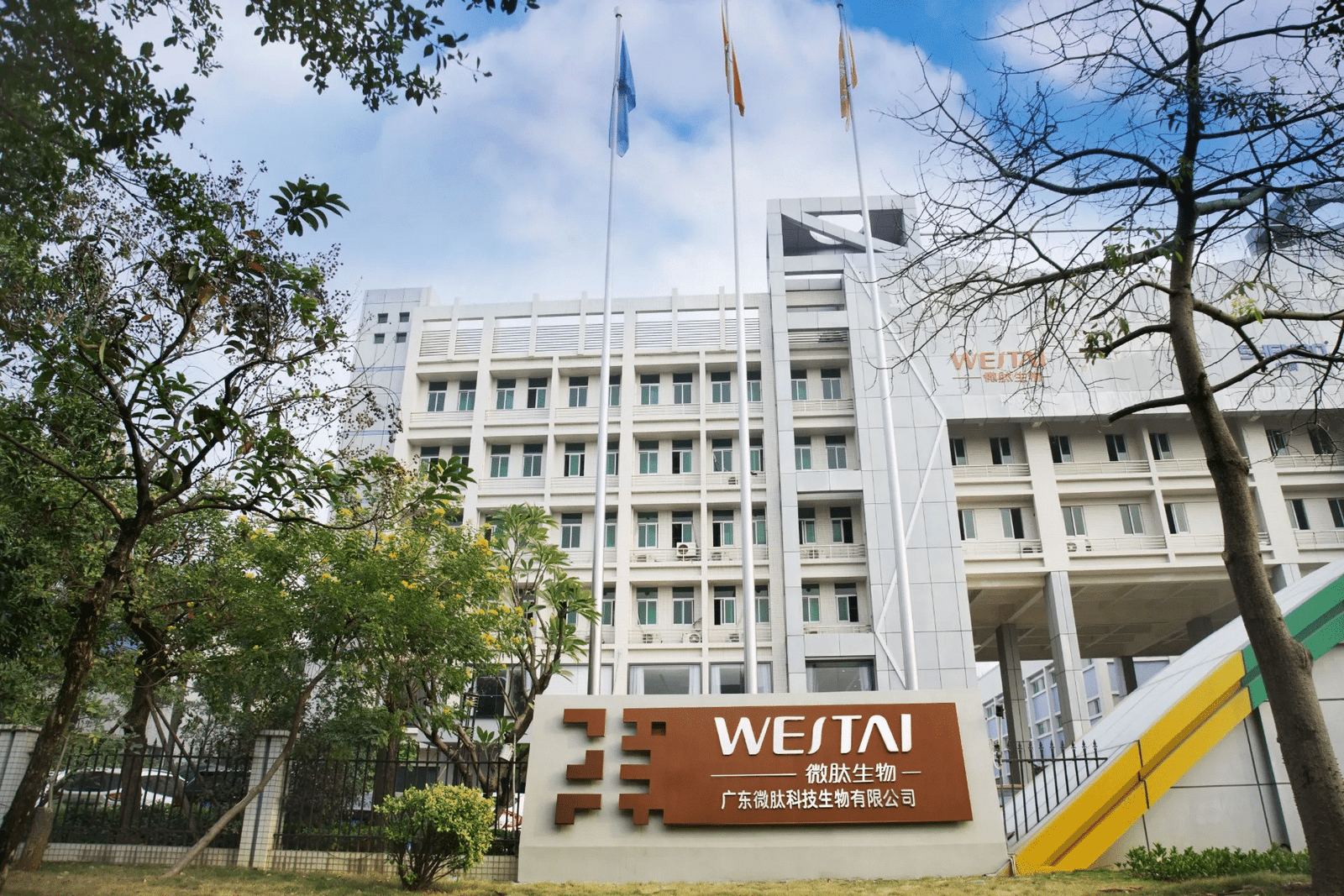
Guangdong Weitai Biotechnology offers comprehensive OEM/ODM services for Type III collagen skincare products, with GMP-certified manufacturing, recombinant collagen sourcing, and full regulatory support. From serum development to lyophilized powder production, Weitai supports brands in bringing evidence-based anti-aging products to market.

